
Training the next generation of workers is the “single biggest challenge” facing the yacht refit industry, the chief commercial officer of one of the US’ largest shipyards has warned.
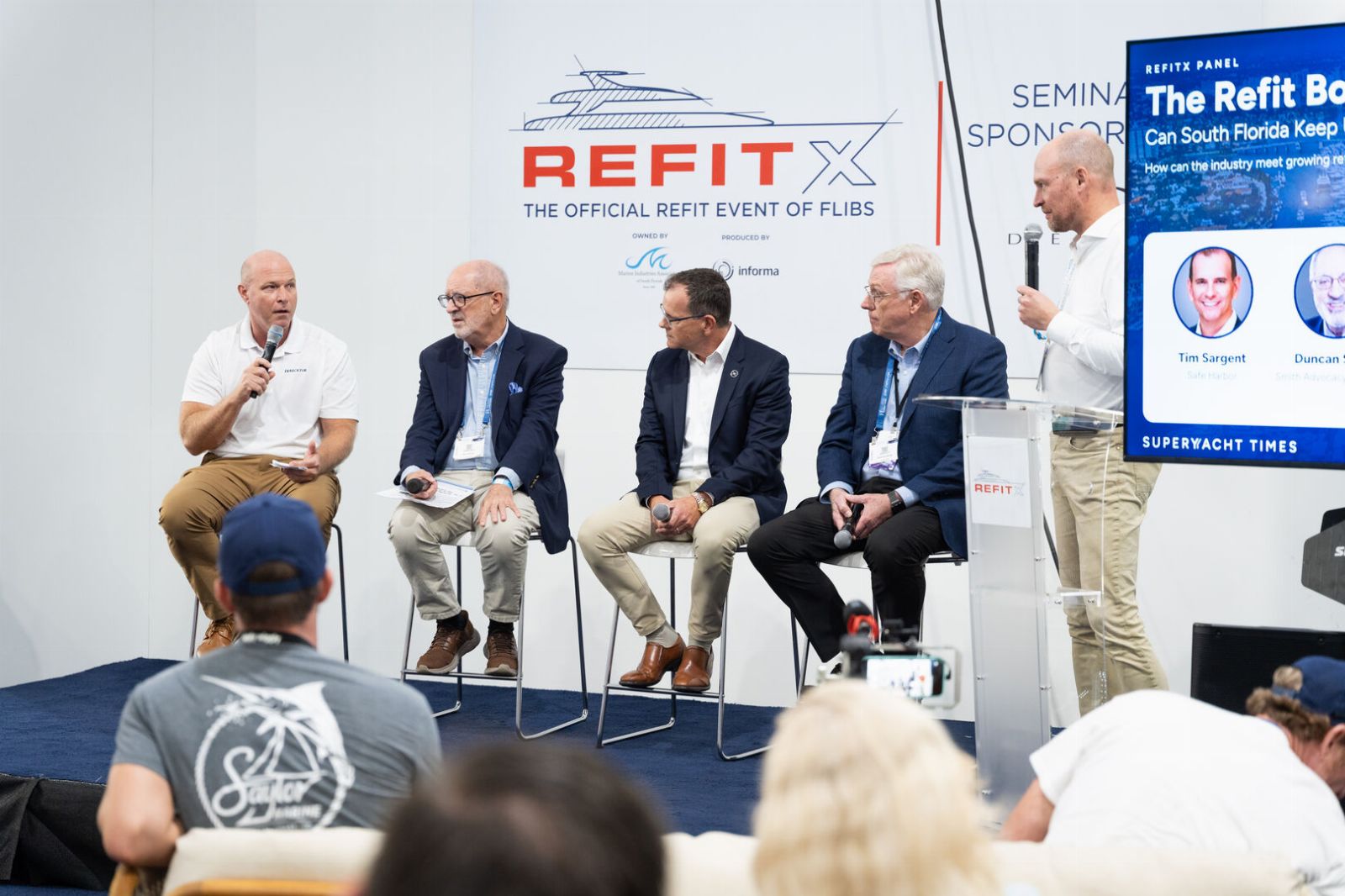
Derecktor Shipyards CCO Joel Shine called for “big thinking” from the industry and government, to build the workforce needed to maintain the refit industry’s growth over the next decade, during a discussion at the RefitX panel at the Fort Lauderdale International Boat Show (FLIBS).
During a panel hosted by SuperYacht Times Head of Intelligence Ralph Dazert, Shine said: “There's a blessing in having a mobile workforce in the US… but it does present challenges sometimes to individual companies, shipyards, contractors, and to investing and training in someone who, by the next month, may go to work somewhere else.”
Data collated by McKinsey in January 2026 found US military and commercial shipyards would need 200,000 to 250,000 additional skilled trades workers to meet demand in the next decade, with 158,000 to 198,000 of those in the private sector.
The call to action comes as the US industry looks to retain its position as the largest global refit market by catering to larger yachts and European-built vessels. The SuperYacht Times database shows the US hosted 24 percent of refit visits for yachts above 30-metres in 2025, but only 13 percent of refits for yachts above 60-metres.
Experts at FLIBS 2026 came together to discuss the challenges for the US industry ahead of the Marine Industries Association of South Florida's inaugural two-day RefitX event and refit industry forum during FLIBS 2027.
Showcasing the opportunities
Safe Harbor COO Tim Sargent said his shipyard, bought by Blackstone for 5.65 billion USD in 2025, was investing heavily in its training infrastructure and moving senior service people over to its training group to bridge a gap with the next generation.
He said: “We’ve got to teach people about the careers [available], about the opportunities that they have, and then, if they have the right attitude and they want to grow, we can bring them in and we can develop those trades internally.” The industry has also struggled to attract European-built yacht owners to use US facilities for refit projects.
In March 2026, Derecktor warned that it had “become the default expectation” in many cases for large American yachts to cross the Atlantic for significant yard periods in Europe.
Sargent told the audience that the US was reliant on European OEMs who needed to bring their expertise across to its shipyards so they could work on European-built yachts: “You have to provide owners with the comfort that they can get a yacht serviced anywhere… and if we can't get them over here and they can't work over here, that is friction in the industry.”
Government support troubles
Alongside support for training workers in the US, experts also said direct government support needed reform.
DC-based advocate Duncan Smith praised the US Maritime Administration’s (MARAD) small shipyard grant, which has awarded 310 million USD to US yards in 16 years, but called on it to “adjust its thinking” on eligibility and expand access beyond its requirement for yards to work on yachts at least 100-feet (30.48-metres) long.
Read more: U.S. Maritime Administration awards $35M in grants to small shipyards
The grant is also aimed at yards that focus on workboats or a mix of commercial and non-commercial vessels, making it harder for dedicated yacht refit sites to secure funding. Though, Smith said the increasing complexity and sophistication of work done at refit yards should see more deemed eligible.
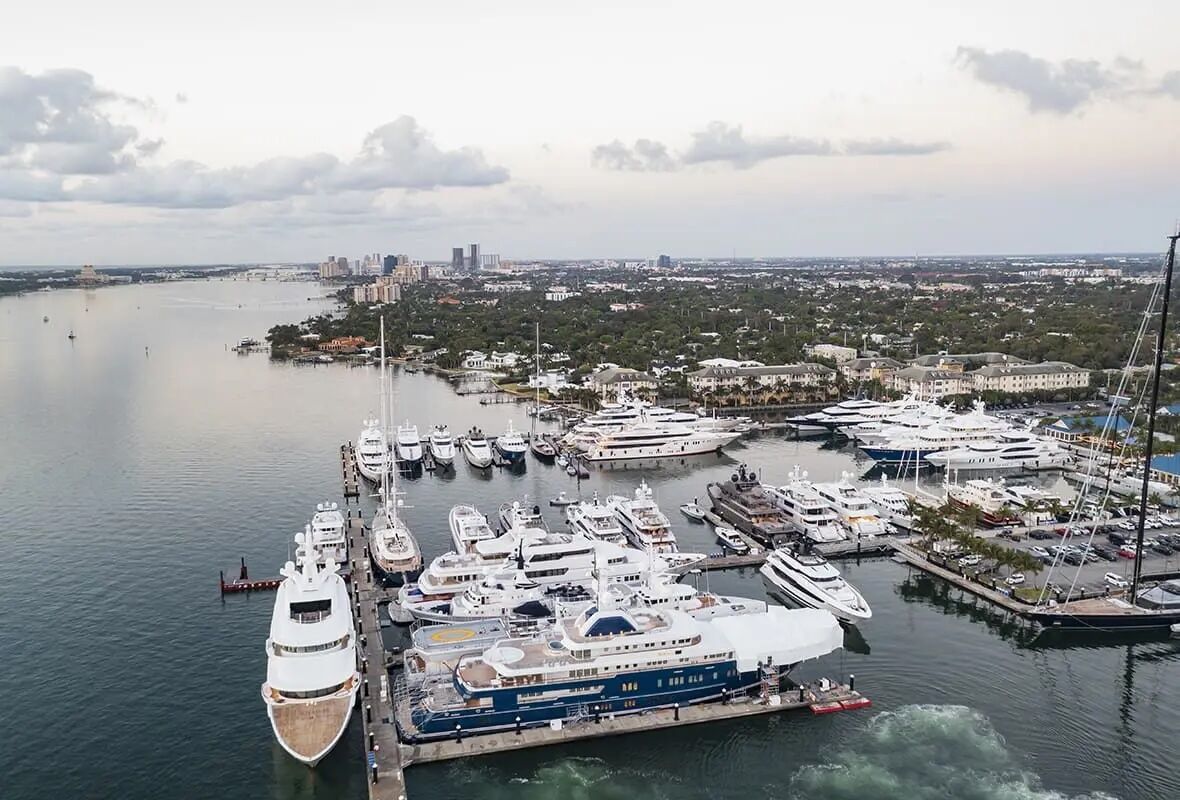
US regulators have also been urged to do more to maintain working waterfronts, with Smith describing the situation as “critical”. The US as a whole had 32 active refit yards as of 2025, with around half of those tracked by SuperYacht Times located in Florida around major hubs such as Palm Beach and Fort Lauderdale.
While experts warned that the land value of waterfront property often appeared far more valuable for uses such as the construction of apartment buildings, Smith said government attitudes may be shifting: “There's a push by the US government to emphasise [its] maritime prosperity zones, but the hope is that they'll underscore the importance of preserving this type of [refit] capability.”

 Giorgia Capone