Fifteen seconds. That is how long it took Bayesian to go from upright to lying flat on the water, according to David Robertson, the inspector who led the UK Marine Accident Investigation Branch (MAIB) inquiry into her sinking. The final report came out on 19 November 2026, and its message for owners is direct: being compliant does not mean being safe.
Robertson’s advice is not aimed only at owners of large sailing yachts. Any owner, captain or manager can apply the same questions to their own boat: how does she behave in a sudden gust, what happens if she goes over, and how fast can everyone get off.
What happened to Bayesian
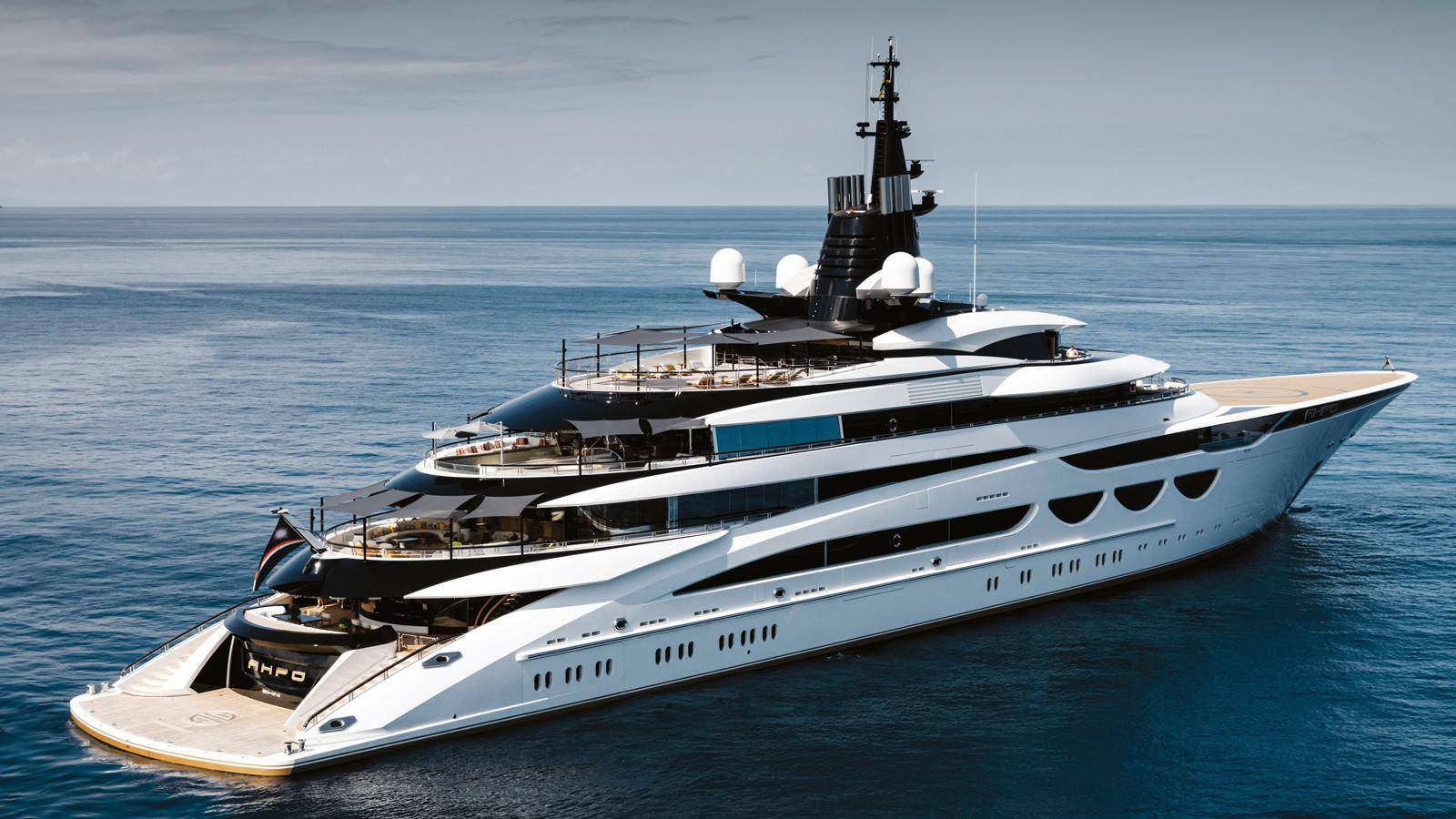
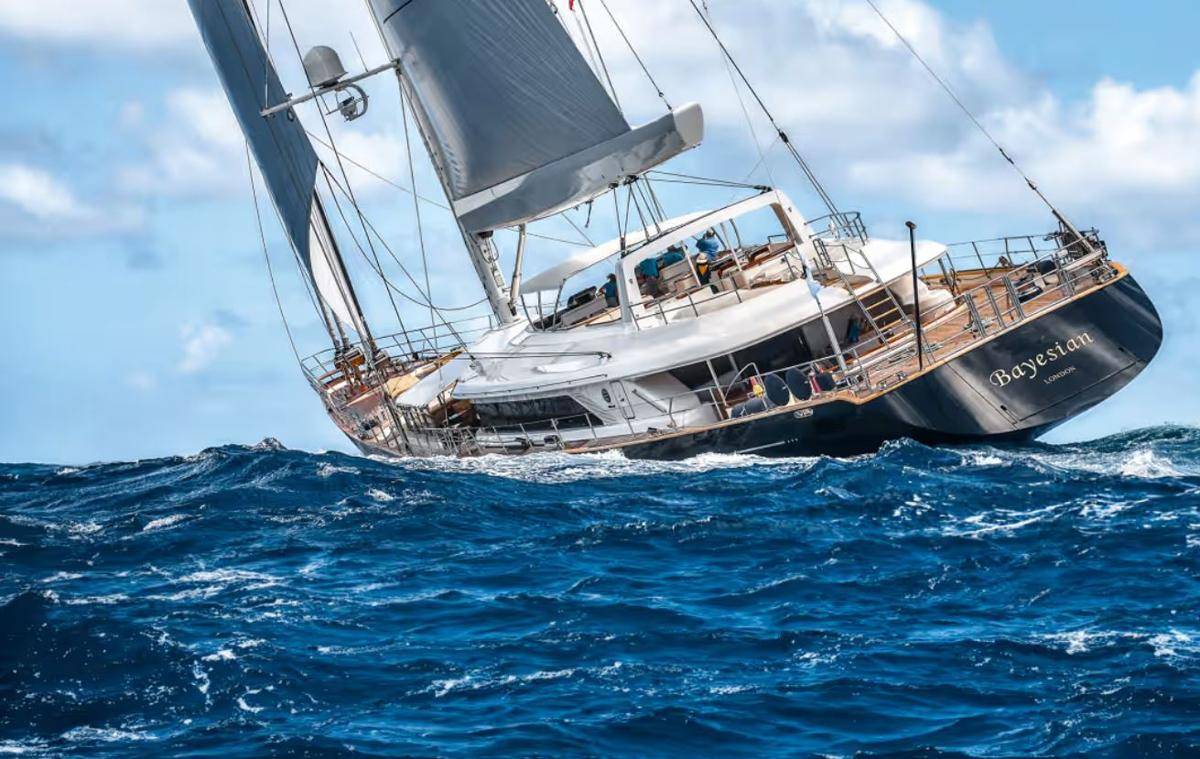
Bayesian was a 56-metre sailing yacht built by Perini Navi in 2008. In August 2024 she was at anchor off Porticello, in Sicily, with her sails stowed, when a violent squall hit. The wind knocked her down and she sank within minutes. Fifteen people were on board; seven of them died.
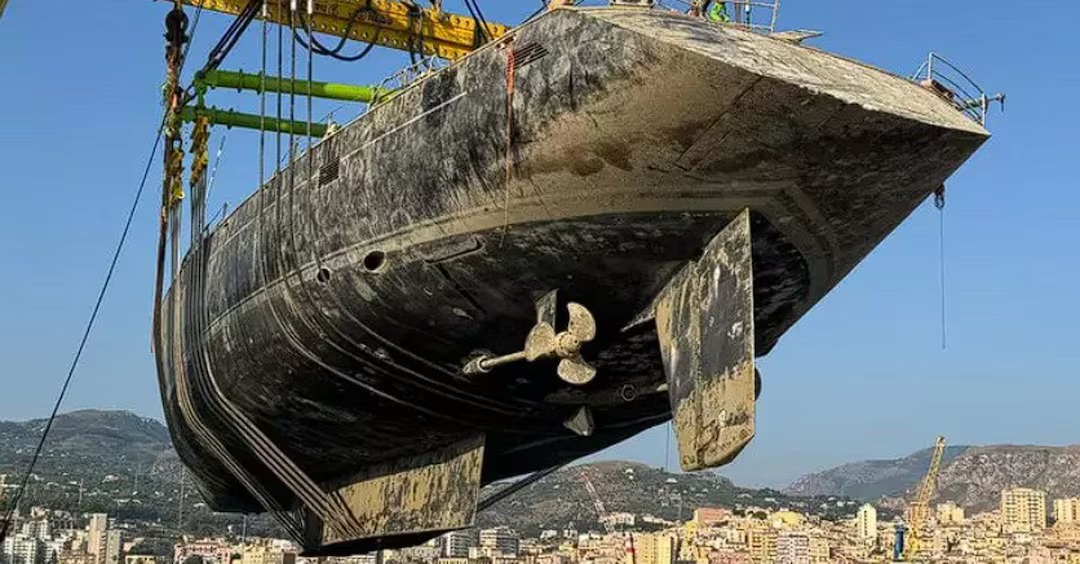
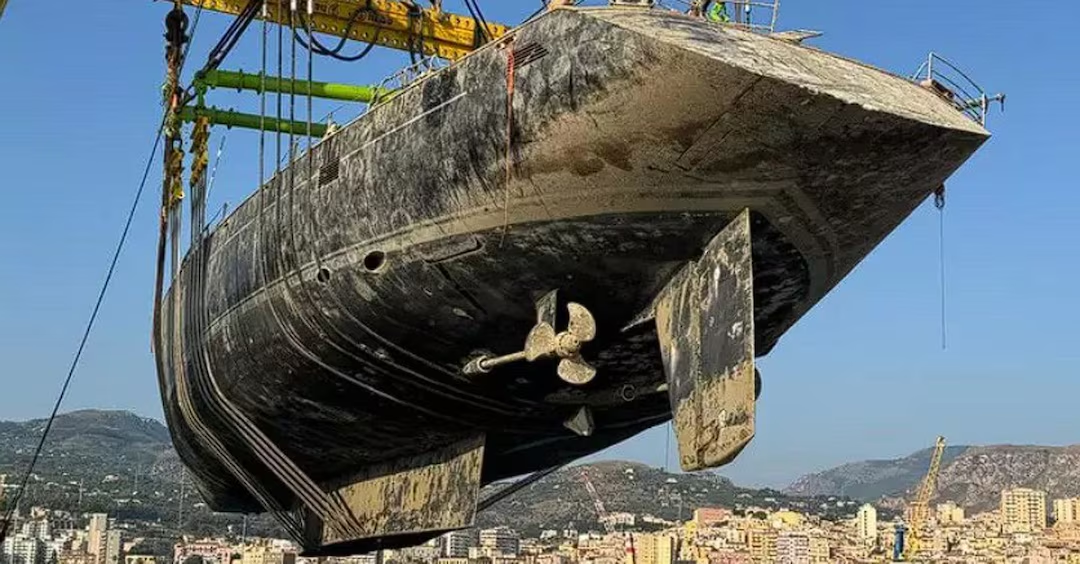
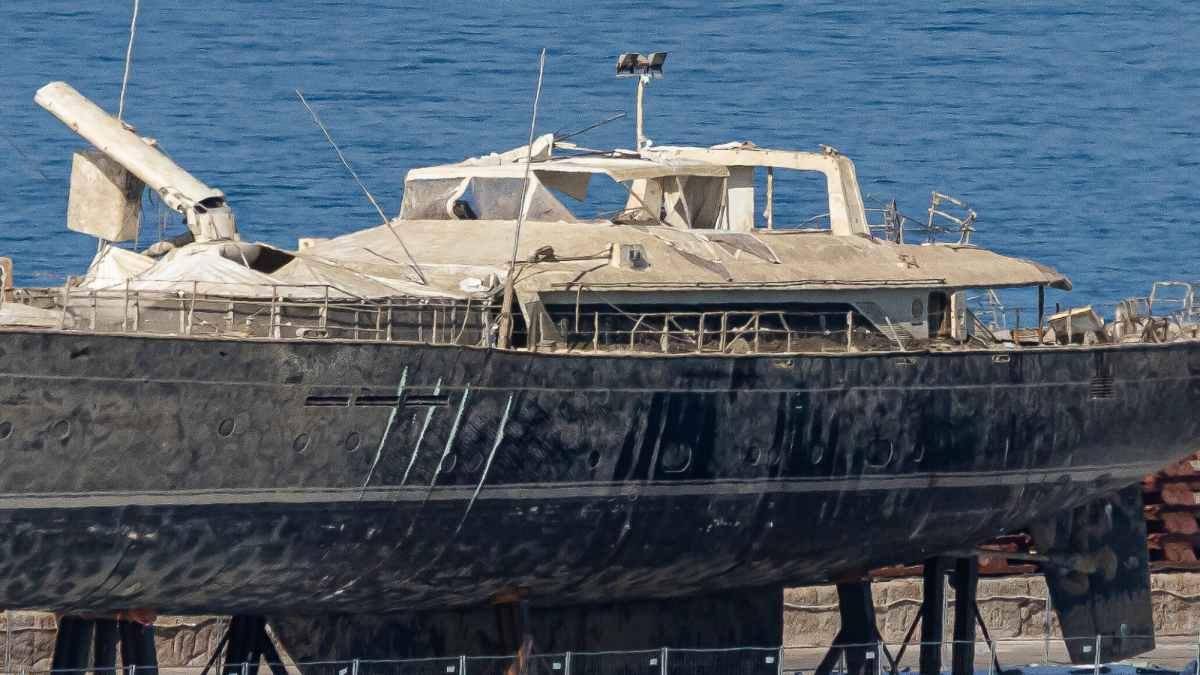
Robertson stresses that everyone who managed to get out survived, and that the crew’s actions in getting people out made the difference. A life raft launched by hand was central to that. The hull was lifted from the seabed on 21 June 2025. A separate Italian investigation is running alongside the MAIB inquiry.
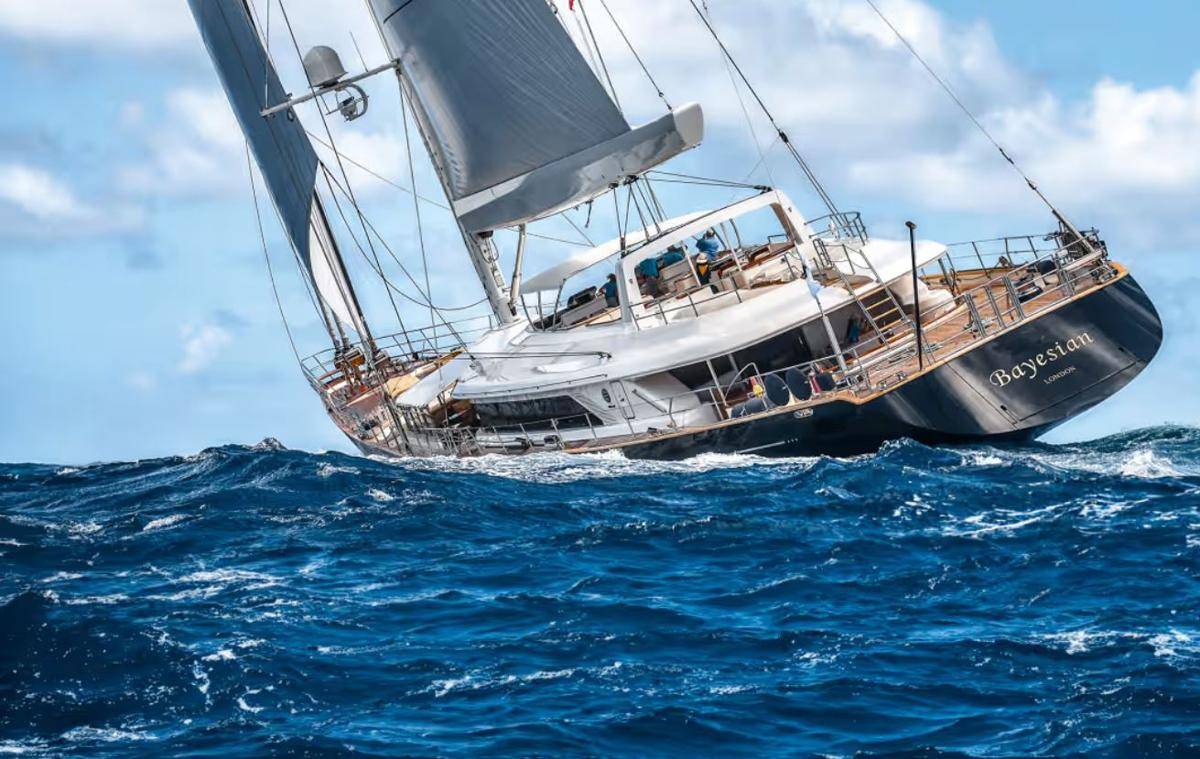
Compliance is not the same as safety
Robertson’s first point is about certificates. A yacht built and run to the Large Yacht Code can still have weaknesses the code never looked at. In Bayesian’s case, he says, the rules did not deal properly with how wind acts on a large yacht with no sails set.
His advice to owners:
- Read the report yourself. Go to the full MAIB document rather than the commentary on social media, and ask whether your own boat shares any of the same weak points.
- Get your own yacht assessed. Ask a naval architect or your management company to work out how your boat behaves in strong wind, especially at anchor with sails stowed.
- Don’t compare. Another yacht of similar size tells you nothing reliable about yours. Every hull, rig and superstructure responds differently.
- Swap generic paperwork for specific guidance. A certificate says a boat met a standard. It does not tell the crew what to close, and when, if a severe weather warning comes in at anchor.
Stop the knockdown, then plan for survival
The priority, Robertson says, is never letting the yacht reach that point. Once a boat is on her side, rearranging the interior or adding equipment below does little: if openings are not closed, water pours in through every downflooding point.
If it does happen anyway, two details decide who gets out:
- Life rafts that float free. They must be stowed so they can release and reach the surface even with the yacht lying flat, without being trapped by the superstructure as the hull goes under.
- Lifejackets within reach. Keeping them only in the lower-deck cabins is not enough. There should be lockers that people can reach quickly from the upper decks.
Crew drills and safety culture
In a fast-moving emergency there is no time to read a manual. Robertson wants crews that have practised enough to act without hesitation: launching a life raft by hand, firing flares, mustering guests. Drills should cover scenarios that unfold in seconds, not only the slow ones.
Behind this sits a broader point about culture. Minimum standards are a floor, not a target. Owners and crews should know the specific character of their own boat, and management companies should be part of a risk review built around that vessel, not a generic one.
Owner checklist
- Commission a formal windage and stability review: limiting gust speeds and downflooding angles with sails stowed and centreboards raised.
- Check where the life rafts are stowed and confirm nothing would trap them as the hull goes under.
- Fit weather-protected lifejacket lockers at the bridge deck or the main saloon entrances.
- Review crew training records: do the drills include rapid-onset scenarios?
- Write vessel-specific procedures for closing hull openings when a severe weather alert comes in at anchor.
- Replace reliance on generic certificates with a bespoke risk assessment, involving your management company.
Frequently asked questions
What did the MAIB report on Bayesian find?
Is a yacht that complies with the Large Yacht Code safe?
What should superyacht owners check first?
 Giorgia Capone