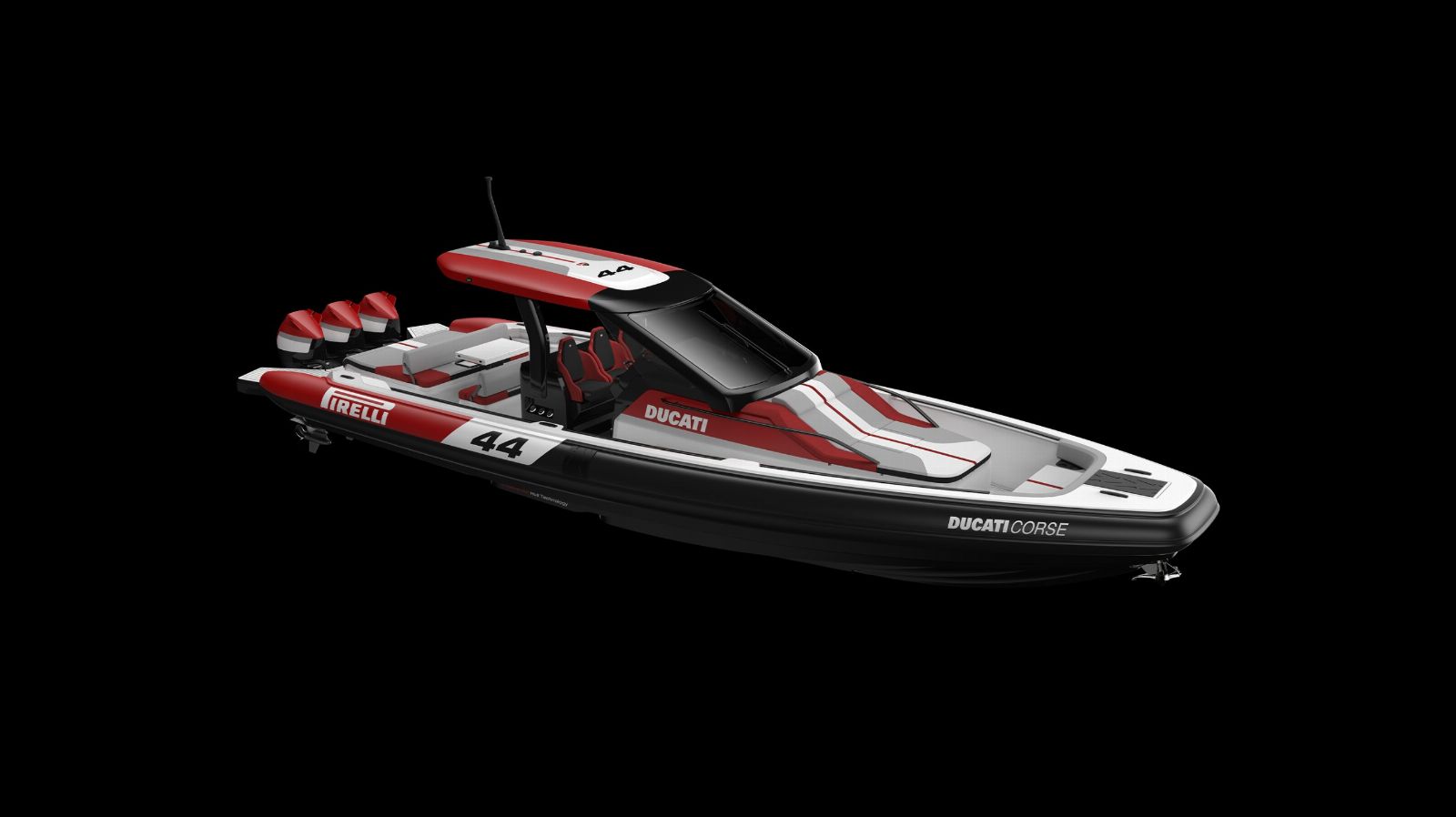
Diana Yacht Design turns 55 in 2026. In that time the Dutch naval architecture and engineering firm has seen almost 100 custom superyachts built to its drawings, and watched the way yachts are designed and built change almost beyond recognition.
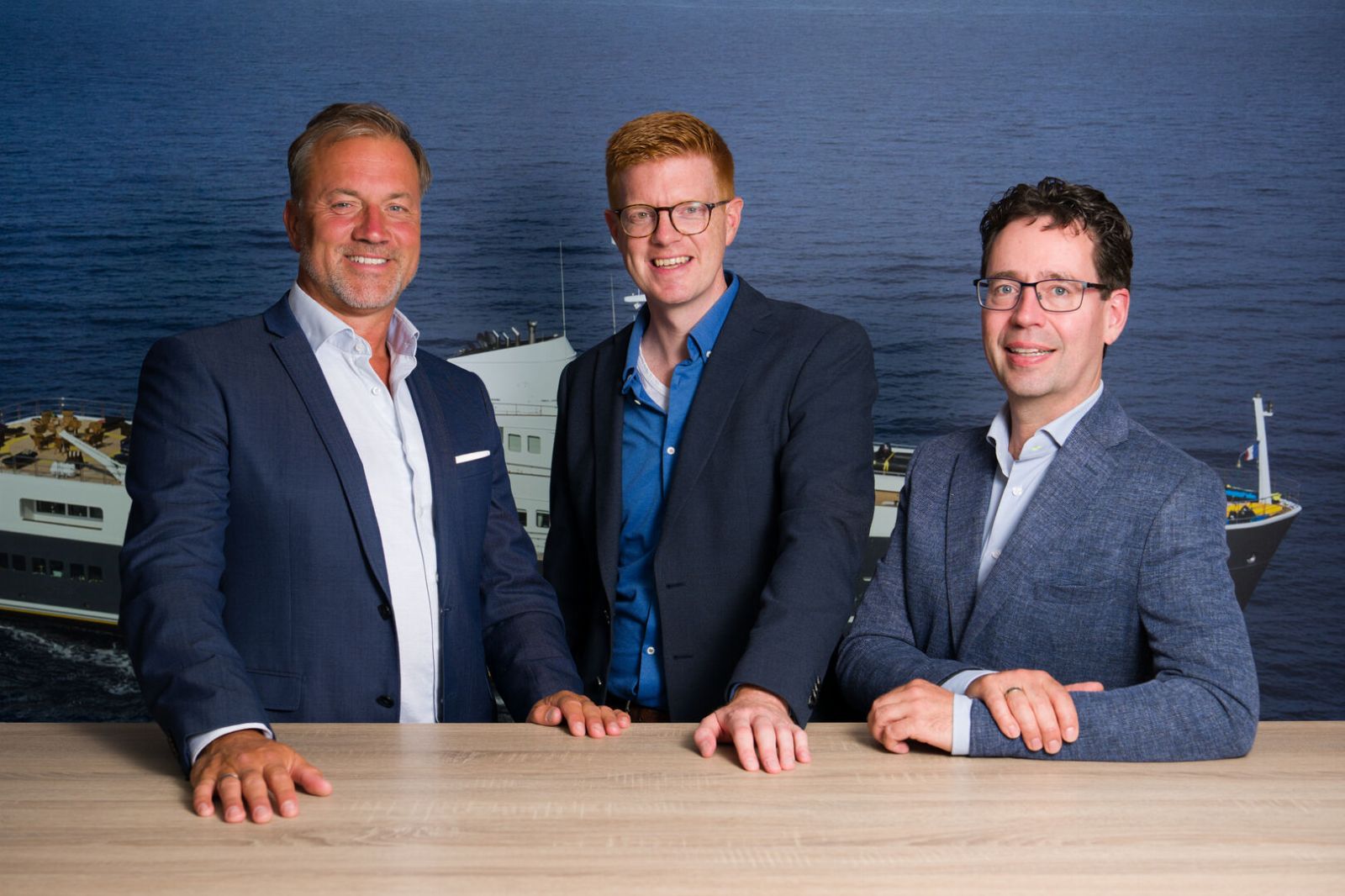
The studio is led today by Hans-Maarten Bais, creative director and naval architect, Bart de Haan, operations director and naval architect, and Jerry Lakeman, financial director and marine engineer. For all three, the biggest change has been in the design process itself.
Decisions move upstream
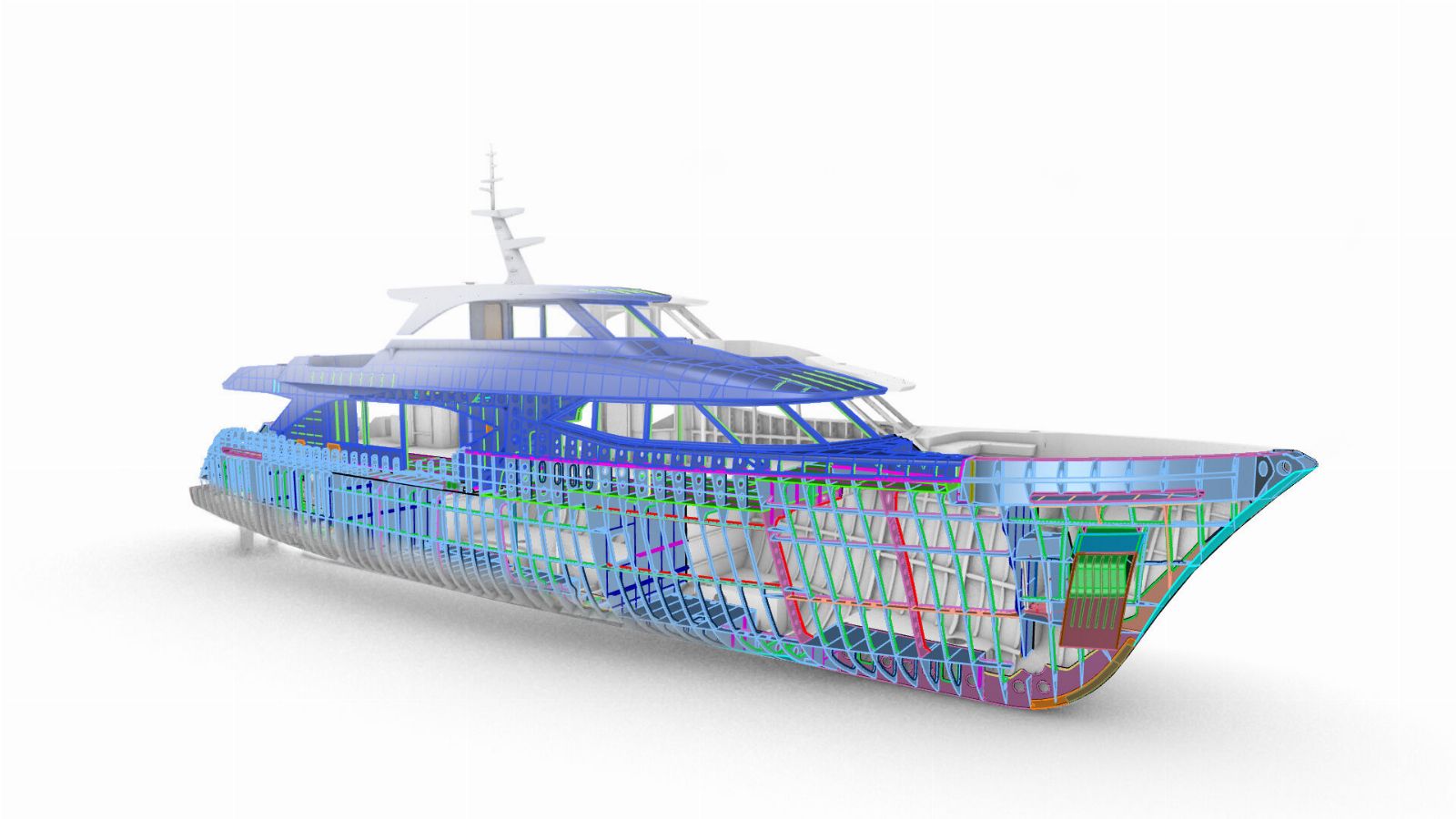
Twenty or thirty years ago a yacht could take shape step by step: general arrangement first, then engineering, construction and outfitting, with details such as doors, hatches and railings drawn while the hull was already being built.
As yachts have grown, more yards now buy in hulls built elsewhere and want as little welding and structural rework as possible when they arrive at the assembly yard. That pushes key decisions much earlier. Yards expect detailed cutting and construction packages, and problems have to be solved on paper rather than on board. With engineering and production so closely linked, working with suppliers and specialists from the start has become essential.
The studio’s role has changed too. When it was founded, a design office often handled almost everything, from interiors and exteriors to construction and wiring diagrams. Those disciplines have since specialised, and naval architecture, construction and detailed engineering are now Diana’s core. Coordinating the other specialists and integrating their work into one building package remains a big part of the job.
The naval architect from day one
If there is one lesson from 55 years, it is to bring in the naval architect as early as possible. A bold concept benefits from technical input from the start, because choices about hull openings, volume or layout affect structure, stability, systems and compliance. Done early, engineering does not restrict design freedom; it protects it, by dealing with the technical consequences before they turn into compromises.
Regulation has made this even more important. In the past there was far more freedom. Yachts are larger, flag states and class societies have tightened their rules, and solutions once accepted may no longer pass. Many yachts are also now designed with charter or commercial use in mind, so safety rules weigh more heavily, and thresholds such as gross tonnage, or carrying more than 12 passengers, can move a yacht into a different regulatory category.
The 500 GT line
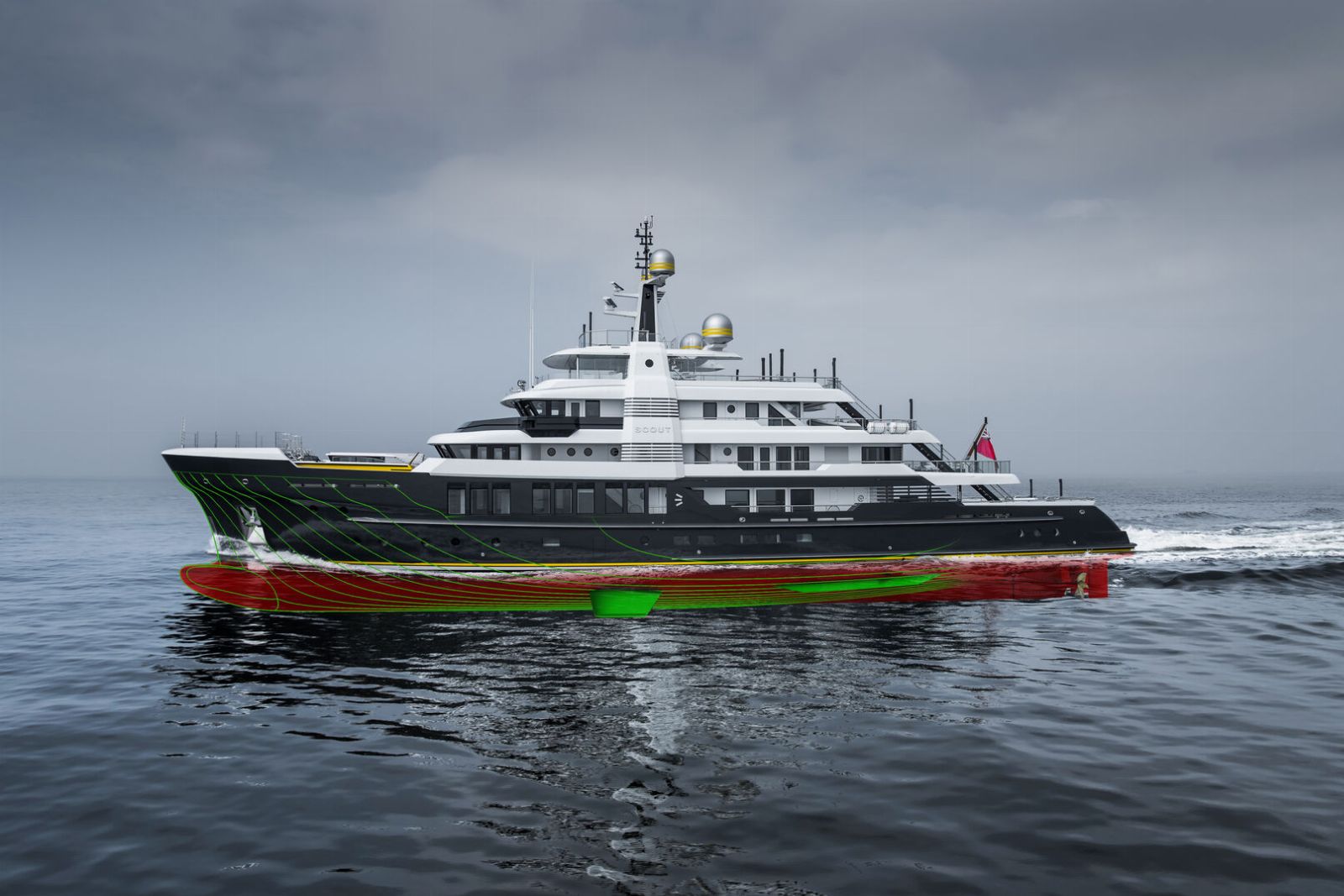
In Diana’s range, from 24 to 70 metres, the 500 GT threshold is one of the most important. Crossing it brings major technical and cost consequences, so staying below it often shapes a yacht’s enclosed volume, layout and main dimensions. The studio compares a 49-metre yacht of around 700 GT, with generous interiors, to a yacht over 50 metres kept under 500 GT, where designers may reduce enclosed space, narrow the beam or open up more exterior decks.
The hull, meanwhile, is never picked off the shelf. Diana shapes it around each yacht’s operating profile and design brief. And some things have not changed at all: a yacht carries the owner’s family and the people closest to them, so safety and comfort stay at the centre of every project.
From Rio Rita to today
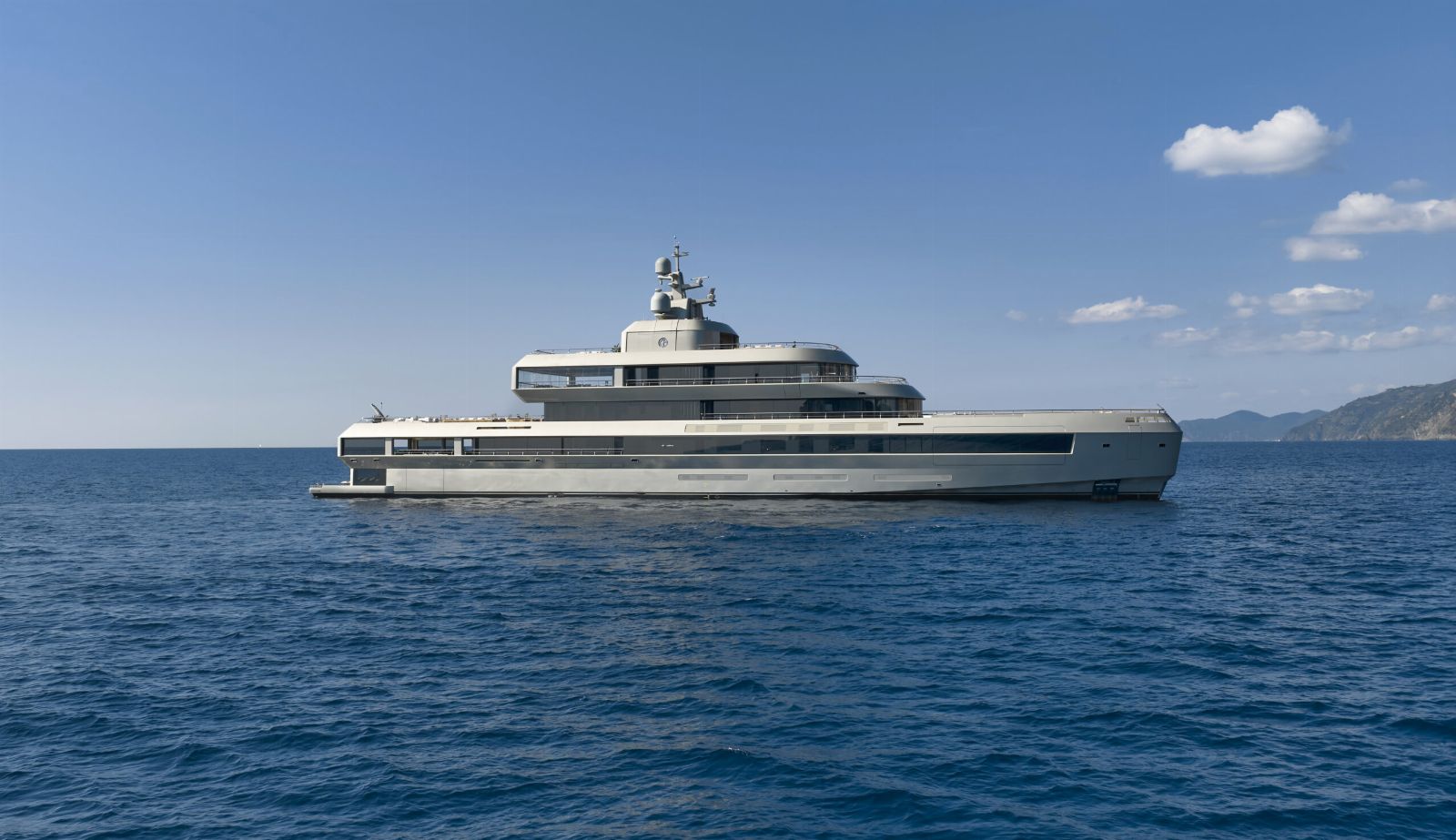
Landmarks in the portfolio include the 56-metre Feadship Rio Rita in the 1980s, the 101.2-metre Evergreen, later Attessa IV, in the 1990s, and more recently the 64-metre Scout (2019), the 61-metre Makh I (2024) and the 52-metre Limerence (2025). The studio currently has 15 projects in hand, between new builds and refits.
 Luca Sarti