For Diana Yacht Design, 2026 marks 55 years since the company was founded, with almost 100 custom-built superyachts now in operation based on its drawings. During that time the Dutch naval architecture and engineering company has witnessed significant changes in how yachts are designed, engineered and built.
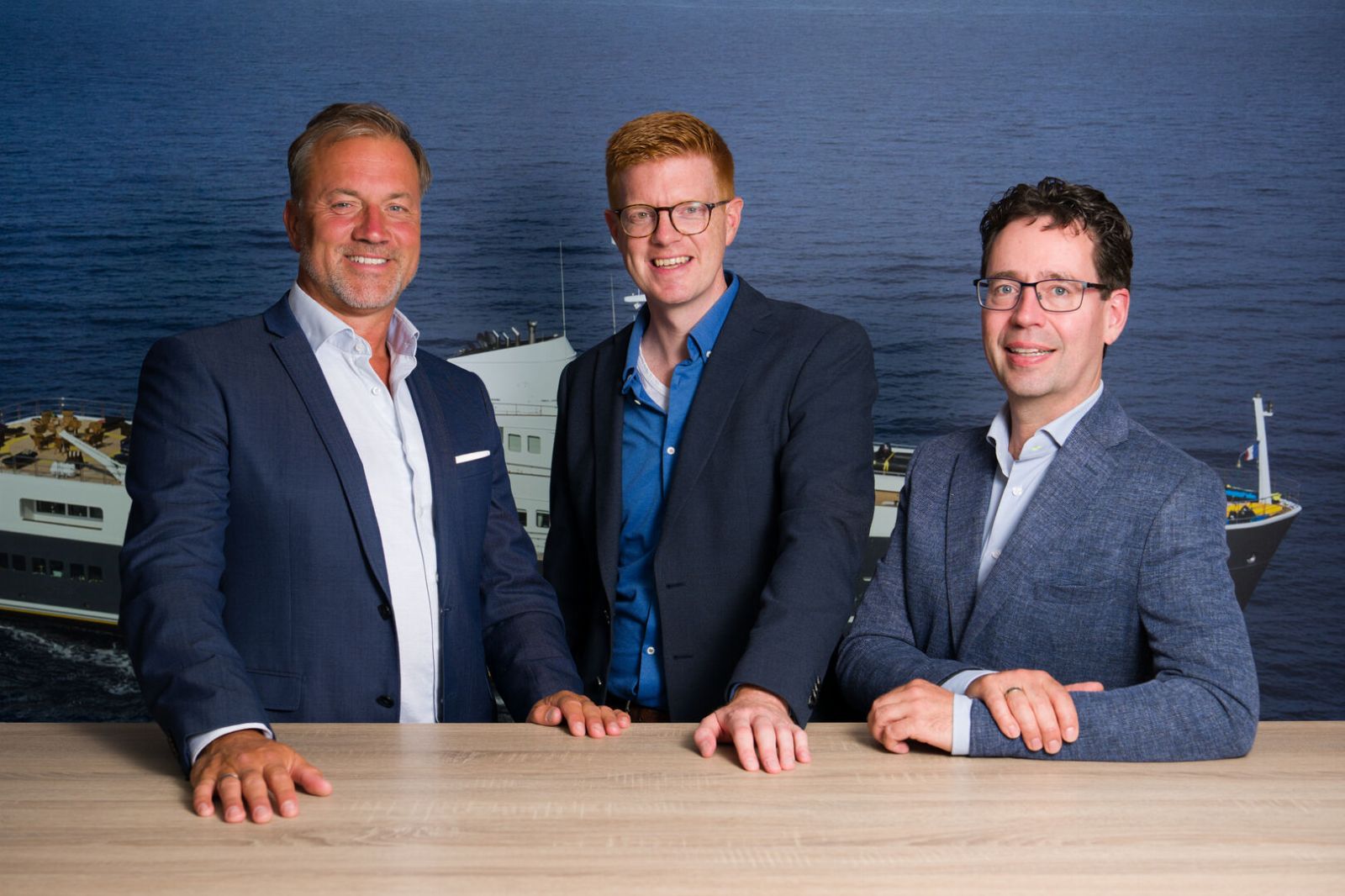
For Creative Director & Naval Architect Hans-Maarten Bais, Operations Director & Naval Architect Bart de Haan, and Financial Director & Marine Engineer Jerry Lakeman, one of the biggest changes has been the design process.
“Fifty-five years of lines and of dialogue with the yards that turned them into yachts.”
Twenty or thirty years ago, a yacht could evolve progressively from the general arrangement through detailed engineering, construction and outfitting. “We started with hull construction and, as the yard was building, details such as doors, hatches and railings were designed at a later stage.”
“As yachts are getting bigger, more shipyards outsource hull construction, to minimise welding and structural modifications when the hull arrives at the assembly shipyard. This means key decisions need to be made much earlier.” Today, shipyards increasingly rely on highly developed cutting and construction packages. “There is less time for the shipyard to solve things onboard; they need to be solved in advance.” As engineering and production have become more closely linked, early collaboration with suppliers and specialists has therefore become increasingly important.
When DIANA was founded, design offices were often responsible for almost every aspect of a yacht, from interiors and exteriors to naval architecture, construction and electrical diagrams. Over time, these disciplines became more specialised, with naval architecture, construction and detailed engineering becoming the core of Diana Yacht Design’s expertise.
“I would say we are more focused, but still combining all the specialisms in the building package,” the team explains. “The relationships with these specialists and the integration of their elements are still a very important part of what we do.”
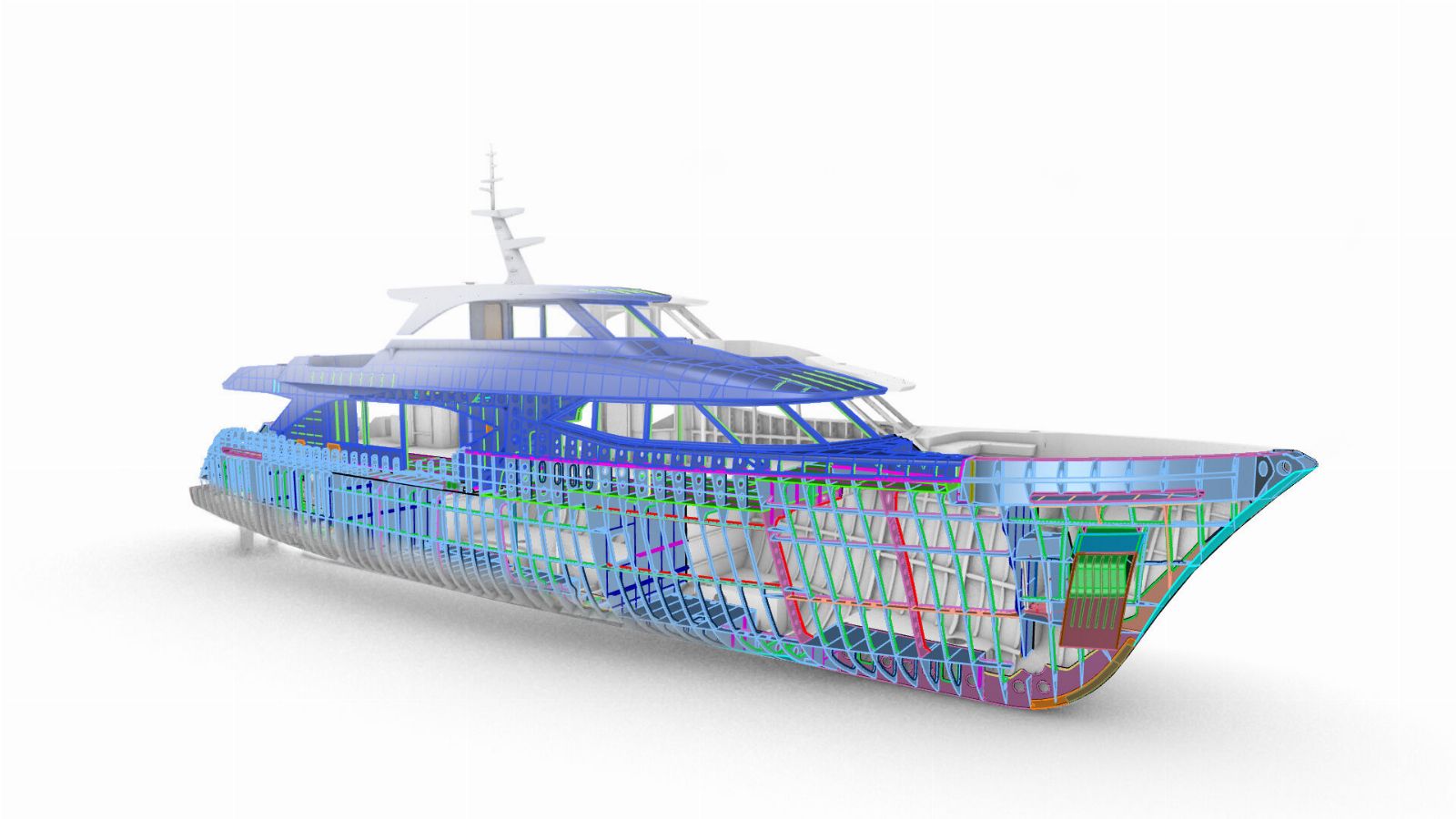
For DIANA, this integration is also central to one of the most important lessons of its 55 years in the industry: the value of involving a naval architect at the earliest possible stage of a project.
An ambitious design concept benefits from technical input at an early stage. By involving naval architecture from the concept stage, design and technical feasibility can develop together, as decisions on hull openings, volume or layout can directly affect structure, stability, systems and compliance with regulatory requirements.
Early engineering therefore need not limit design freedom; it can help support it by resolving technical consequences before they become compromises.
An increasingly complex regulatory framework adds another layer to this process. According to DIANA, there was considerably more freedom in yacht design in the past. Yachts have increased in size and flag states and classification societies have evolved: solutions which were previously acceptable may no longer meet current requirements.
Historically, yachts were largely used for private cruising, but more yachts are now designed with charter or commercial operation in mind. Safety requirements have therefore become increasingly important, with thresholds such as gross tonnage influencing yacht design. Carrying more than 12 passengers can also place a yacht within a different category of the regulations.
Across DIANA’s 24 to 70 metre design range, one of the most significant thresholds is 500 GT; exceeding it can have substantial technical and financial implications. Designing to remain below this limit can therefore influence a yacht’s enclosed volume, general arrangement and principal dimensions.
The team points to the difference between a 49-metre yacht of around 700 GT, offering substantial interior volume, and a yacht of more than 50 metres designed to remain below 500 GT. In the latter case, designers may reduce enclosed volume, narrow the beam or create more open exterior spaces in order to remain within the target tonnage.
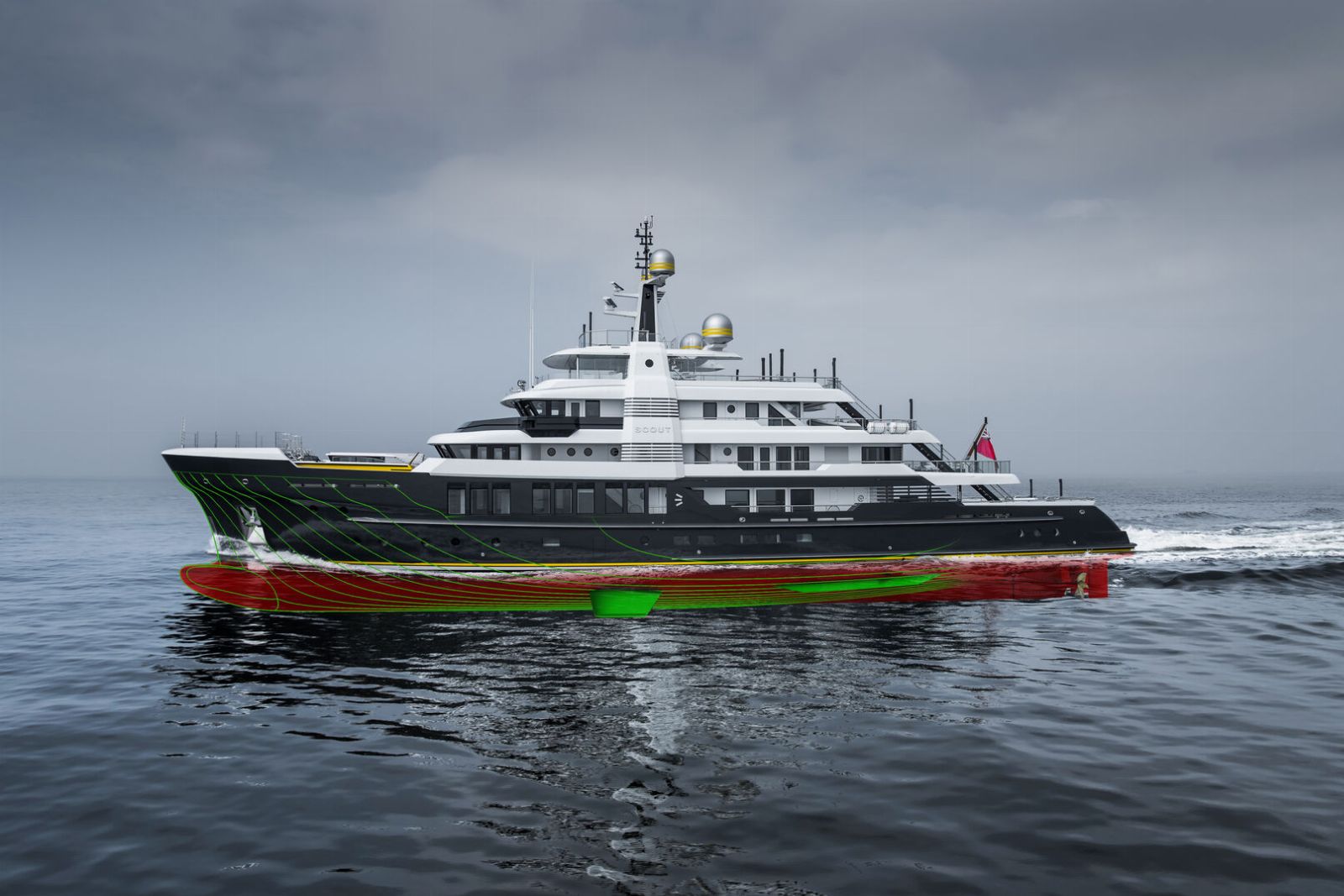
Hull form itself, however, is not simply selected and imposed on a design. DIANA develops the hull around the operational and design requirements of the yacht. “We always customise the hull form to the needs of the design.”
Despite changes in technology, regulation and construction methods, some principles remain constant. “For owners, a yacht carries what matters most: their family and the people they love. Their safety and comfort therefore sit at the heart of every design.”
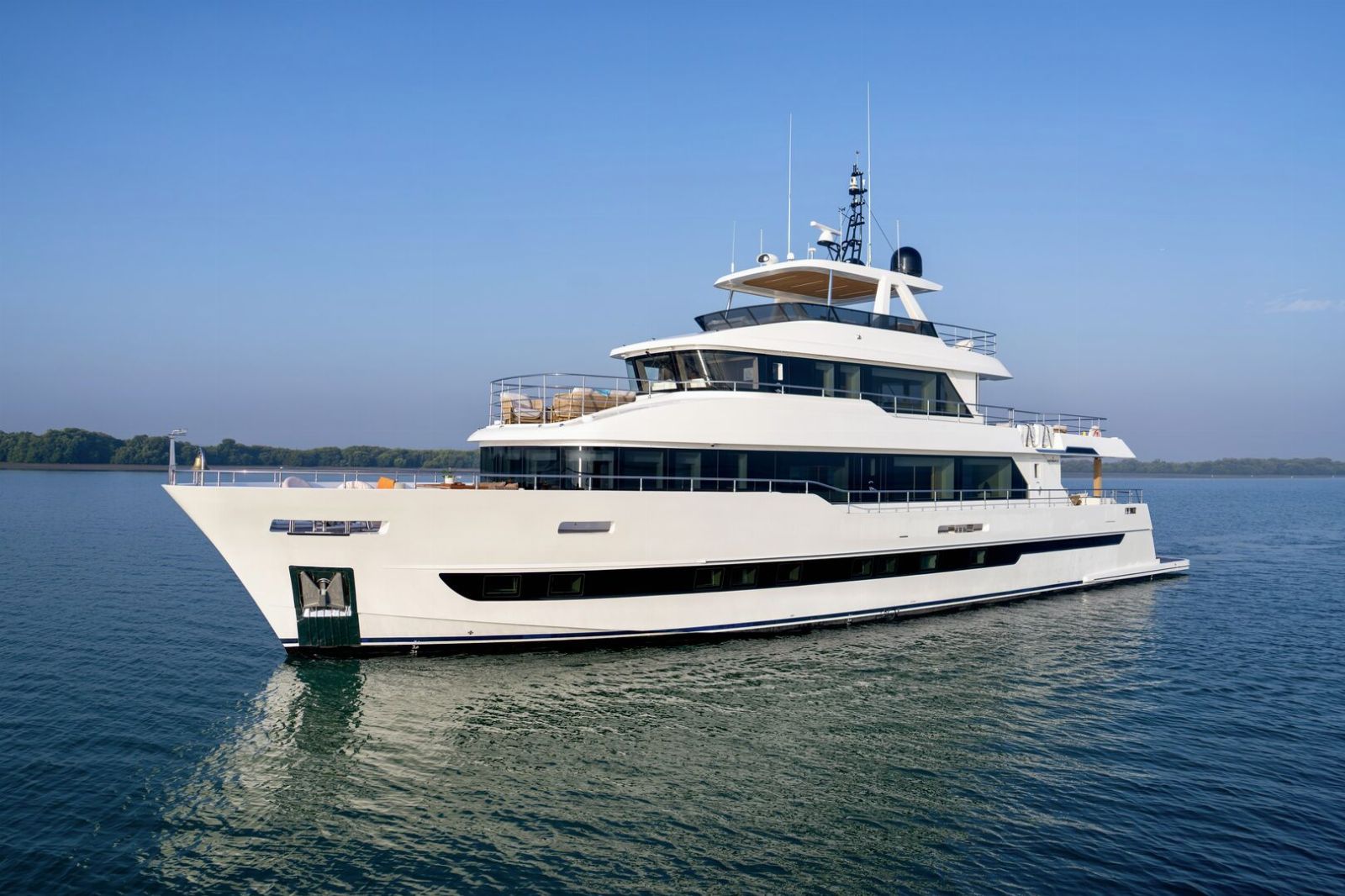
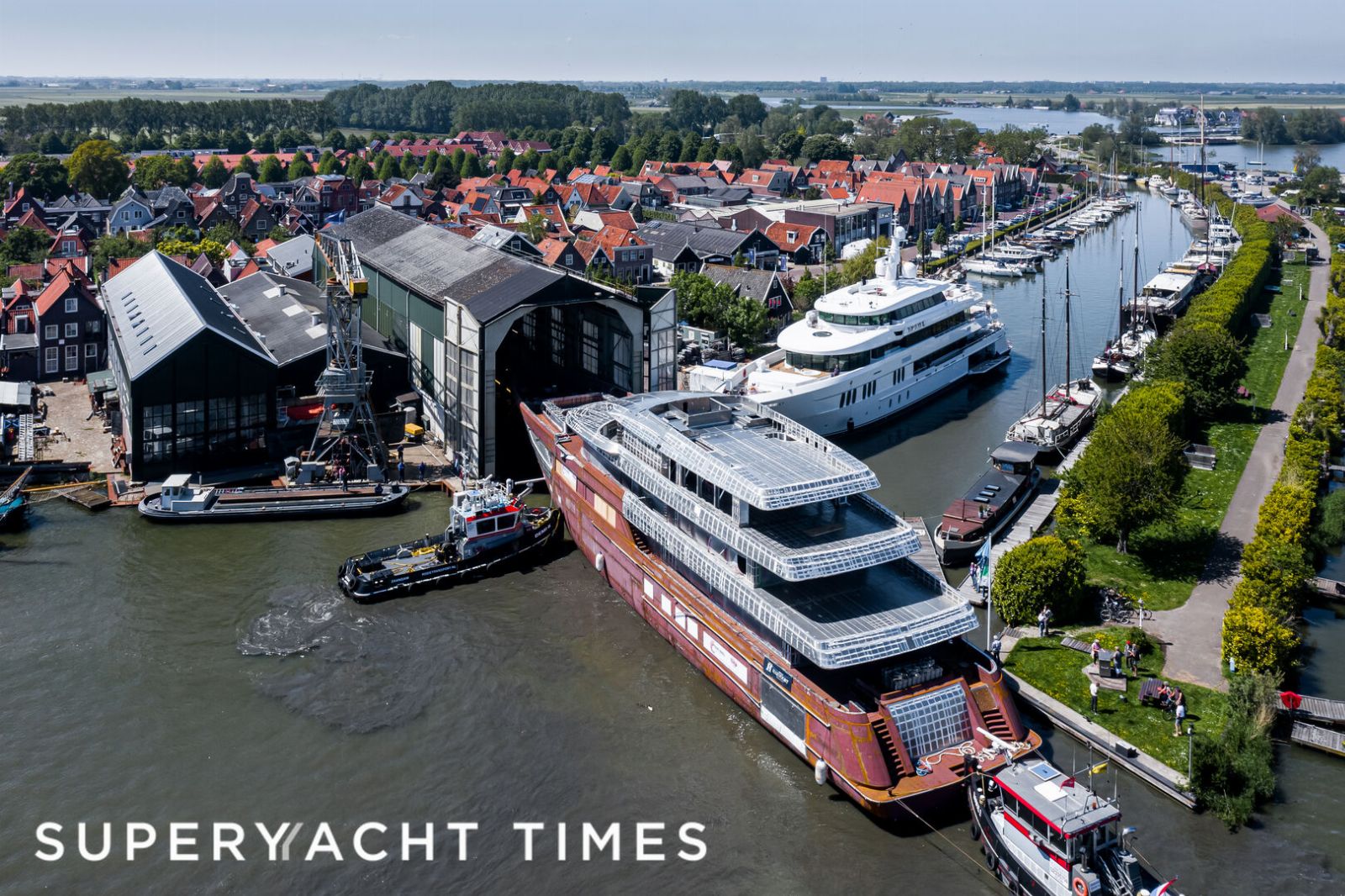
DIANA’s landmark projects include the 56-metre Feadship yacht Rio Rita from the ’80s, the 101.2-metre Evergreen, later Attessa IV, from the ’90s, and more recent yachts including the 64-metre Scout (2019), 61-metre Makh I (2024) and 52-metre Limerence (2025). The company is currently working on 15 projects including new build and refits.
For Diana Yacht Design, 55 years of experience have shown that early integration of naval architecture and engineering helps protect design intent, improve buildability and manage the increasing complexity of custom yacht development.
This article was first published in Issue 59 of the SuperYacht Times newspaper, available for download here.
 Luca Sarti